
Understanding knife sharpening angles is crucial for achieving optimal performance and longevity of your blades. A precise angle transforms dull knives into efficient tools.
Knowing the correct angle empowers effortless slicing and enhances kitchen safety, making cooking a more enjoyable experience for all skill levels.
This guide will help you discover and maintain the best angle for your knives, ensuring a razor-sharp edge every time you use them.
Why Knife Angle Matters
The knife’s sharpening angle fundamentally dictates its cutting ability and edge retention. A shallower angle creates a sharper, more acute edge, ideal for precision tasks like slicing delicate fish or vegetables. However, this edge is more fragile and prone to chipping or rolling;
Conversely, a steeper angle produces a more durable, robust edge, better suited for heavier tasks like chopping through tough meats or dense produce. While not as acutely sharp, it withstands impact and abrasion more effectively.
Choosing the right angle balances sharpness and durability, aligning with the knife’s intended purpose and the user’s preferences. Incorrect angles lead to inefficient cutting, increased effort, and a shortened blade lifespan.
The Impact of Angle on Knife Performance
A knife’s sharpening angle directly influences how effortlessly it cuts through materials. Sharper angles, typically 15-20 degrees, excel at push-cutting, gliding through ingredients with minimal resistance – perfect for slicing. Steeper angles, around 25-30 degrees, are better for chopping and tasks requiring more force.
The angle also affects edge retention; lower angles dull faster, needing more frequent honing. Higher angles maintain sharpness longer but require more effort to initially sharpen.
Ultimately, the correct angle maximizes efficiency, reduces fatigue, and enhances safety by providing better control during food preparation.

Understanding Common Knife Types and Their Angles
Different knives require distinct sharpening angles to maximize their functionality. Understanding these variations ensures optimal performance and longevity for each blade type.
Selecting the correct angle is vital for achieving the best cutting experience.
Chef’s Knives: Recommended Angles
Chef’s knives, the workhorses of the kitchen, generally benefit from a 20-degree angle. This versatile angle strikes a balance between sharpness and durability, making it ideal for a wide range of tasks.
However, some chefs prefer a slightly steeper 22-degree angle for increased robustness, particularly when dealing with harder ingredients or frequent use.
Maintaining a consistent 20-degree angle ensures clean cuts, efficient chopping, and prolonged edge retention, contributing to a safer and more enjoyable cooking experience.
Regular sharpening at this angle will keep your chef’s knife performing at its best.
Paring Knives: Optimal Sharpening Angles
Paring knives, designed for intricate work, thrive with a sharper angle than chef’s knives – typically between 15 and 20 degrees. A 15-degree angle delivers exceptional precision, perfect for delicate tasks like peeling fruits and vegetables.
However, a 20-degree angle offers a slightly more durable edge for those who apply more pressure or work with tougher-skinned produce.
Maintaining this acute angle is vital for effortless slicing and detailed cuts, enhancing control and minimizing waste during food preparation.
Consistent sharpening is key!
Serrated Knives: Angle Considerations
Unlike smooth-edged knives, serrated knives don’t require traditional sharpening angles. Attempting to sharpen the serrations with a standard angle will likely damage the blade and diminish its effectiveness.
Instead, serrated knives need specialized sharpening tools designed to “dress” or realign the existing serrations.
The goal isn’t to create a new edge, but to restore the existing one. Maintaining the original angle of each serration is paramount for optimal performance when slicing bread or tomatoes.
Professional sharpening is often recommended.
Pocket Knives: Angle Guidelines
Pocket knives, designed for versatile tasks, generally benefit from a sharpening angle between 20 and 25 degrees. This range provides a balance between edge retention and ease of sharpening, suitable for everyday carry and light-duty applications.
A 20-degree angle offers a sharper edge, ideal for finer tasks, while 25 degrees provides greater durability for tougher cutting jobs.
Consider the primary use of your pocket knife when selecting an angle; heavier use warrants a slightly steeper angle for increased robustness.
Consistent angle maintenance is key.
Hunting Knives: Sharpening Angle Best Practices
Hunting knives, subjected to demanding tasks like field dressing and game processing, typically require a robust sharpening angle of 25 to 30 degrees. This steeper angle prioritizes edge durability and resistance to chipping, crucial when working with tough materials.
A 25-degree angle is suitable for general hunting tasks, while 30 degrees offers enhanced strength for heavier work.
Maintaining a consistent angle throughout the sharpening process is vital for a reliable and effective edge in the field.
Regular honing extends sharpness.
Knife Sharpening Angle Chart
A knife sharpening angle chart provides a quick reference for selecting the ideal angle based on knife type and intended use. Different angles offer varying levels of sharpness and durability.
15-Degree Angle: For Precision Cutting
A 15-degree angle is exceptionally sharp, ideal for precision tasks like slicing sushi, sashimi, or delicate fruits and vegetables. This acute angle creates a very thin edge, minimizing resistance during cutting.
However, this sharpness comes with a trade-off: the edge is more fragile and prone to chipping or rolling with heavier use.
Typically favored for Japanese-style knives, maintaining a 15-degree angle requires skill and frequent honing. It’s best suited for experienced users who prioritize finesse over durability.
Regular sharpening is essential to preserve the razor-like edge.
20-Degree Angle: A Versatile Choice
A 20-degree angle strikes an excellent balance between sharpness and durability, making it a versatile option for many kitchen knives. It’s a popular choice for chef’s knives and utility knives used for everyday tasks.
This angle provides a noticeably sharper edge than 25-degree knives, while still maintaining sufficient robustness for handling a wider range of ingredients.
It’s forgiving enough for beginners to learn sharpening techniques and offers a good compromise for those seeking both performance and longevity in their blades.
Regular honing will maintain this edge.
25-Degree Angle: Durable and Robust
A 25-degree angle is renowned for its durability and robustness, making it ideal for knives subjected to tougher tasks or frequent use. This angle creates a slightly thicker, more resilient edge that can withstand more wear and tear.
It’s a common choice for work knives, outdoor knives, and those used for cutting through denser materials.
While not as acutely sharp as lower angles, a 25-degree edge holds its sharpness for a longer period, reducing the frequency of sharpening needed.
It’s a practical choice for many users.
30-Degree Angle: Heavy-Duty Applications
A 30-degree angle is specifically designed for heavy-duty applications where durability is paramount. This robust angle creates a very strong, thick edge capable of handling demanding tasks like chopping through bone, thick-skinned fruits, or even light prying.
It’s frequently found on hunting, bushcraft, and survival knives.
While sacrificing some sharpness compared to lower angles, a 30-degree edge excels at resisting chipping and rolling, maintaining functionality in harsh conditions;
It’s a reliable choice for rugged use.
Beyond 30 Degrees: Specialized Knives
Knife sharpening angles exceeding 30 degrees are reserved for highly specialized applications demanding extreme durability over refined sharpness. These angles, often found on axes, machetes, and certain cleavers, prioritize the ability to withstand significant impact and resist damage from rough use.
Edges sharpened beyond 30 degrees are less prone to chipping when encountering hard materials or being used for forceful chopping.
However, they require more effort to sharpen and won’t achieve the same slicing finesse as knives with shallower angles.

Tools for Maintaining Accurate Angles
Achieving consistent knife sharpening relies on utilizing the right tools. Angle guides, sharpening stones with varying grits, honing steels, and electric sharpeners all aid precision.
These tools help maintain the desired angle for optimal edge quality and performance.
Angle Guides: Types and Benefits
Angle guides are invaluable tools for both beginner and experienced sharpeners seeking consistent results. These guides physically attach to the knife blade, dictating and maintaining the correct sharpening angle throughout the process.
There are several types available, including clamp-on guides that secure to the spine and magnetic guides that adhere to the blade.
The primary benefit is eliminating guesswork, ensuring a uniform edge. They are particularly helpful when learning freehand sharpening or working with unfamiliar knives. Using an angle guide significantly improves accuracy and reduces the risk of damaging the blade.
Sharpening Stones: Selecting the Right Grit
Choosing the appropriate grit for your sharpening stone is fundamental to achieving a sharp and refined edge. Sharpening stones are categorized by grit number, indicating the abrasive particle size.

Lower grit numbers (e.g., 200-400) are coarse and used for repairing damaged blades or establishing a new bevel. Medium grits (e.g., 800-1000) refine the edge, while higher grits (e;g., 3000-8000) polish it to razor sharpness.
Progressing through a sequence of grits—coarse to fine—yields the best results.
Honing Steels: Maintaining the Edge
Honing steels don’t actually sharpen knives; they realign the blade’s edge, which naturally bends and rolls during use. Regular honing maintains the knife’s sharpness between full sharpenings.
Using a honing steel involves drawing the blade across the steel at a consistent angle – typically around 20 degrees – applying light pressure. This straightens the microscopic teeth of the blade, restoring its cutting ability.
Honing should be performed frequently, even after each use, to prolong sharpness.
Electric Knife Sharpeners: Convenience and Accuracy
Electric knife sharpeners offer a convenient and often accurate way to maintain blade edges, especially for those less comfortable with manual methods. Many models feature pre-set angle guides, ensuring consistent sharpening;
These sharpeners typically utilize abrasive wheels or discs to remove metal and create a new edge. It’s crucial to select a sharpener appropriate for your knife type and desired angle.
While convenient, some models can be abrasive; always follow manufacturer instructions carefully.
Manufacturer’s Recommendations
The ideal knife angle is often specified on the packaging or the manufacturer’s website. Referencing these guidelines ensures optimal performance and preserves the blade’s integrity.
Consulting the source provides the most accurate angle for your specific knife model.
Finding the Recommended Angle
Locating the manufacturer’s recommended sharpening angle is the first step towards achieving a professional edge. Begin by carefully examining the original packaging your knife came in; often, this crucial information is printed directly onto the box or included in the accompanying documentation.
If the packaging is unavailable, a comprehensive search on the manufacturer’s official website is highly recommended. Most reputable knife companies provide detailed specifications for each of their products, including the precise angle at which the blade should be sharpened to maintain its optimal cutting performance.
Remember, adhering to these recommendations will help prolong the life of your knife and ensure consistently sharp results;
Popular Knife Manufacturers and Their Angles
Several well-known knife manufacturers generally recommend specific sharpening angles for their blades. Wüsthof, a German brand, typically suggests a 20-degree angle for their kitchen knives, balancing sharpness and durability. Shun, known for its Japanese craftsmanship, often recommends a more acute 16-degree angle for precision cutting.
Victorinox, famous for its Swiss Army knives, usually advises a 20-25 degree angle. Global knives, with their distinctive stainless steel, perform best at around 15-20 degrees. Always verify with the specific model’s documentation, as variations exist.
Sharpening Techniques for Specific Angles
Mastering specific angles requires practice. Freehand sharpening demands consistent hand positioning, while jigs ensure accuracy. Maintaining a stable angle throughout each stroke is paramount for success.
Freehand Sharpening: Mastering the Angle
Freehand sharpening presents a significant challenge, demanding dedicated practice to consistently maintain the correct angle. Begin by establishing a stable stance and grip, visualizing the desired angle throughout the process.
Slow, deliberate strokes are key; avoid rushing, as this compromises accuracy. Focus on keeping the spine of the blade in constant contact with the sharpening stone, gently applying pressure.
Regularly check your progress by lightly testing the blade’s sharpness. With persistence, freehand sharpening allows for exceptional control and a truly customized edge.
Using a Sharpening Jig
Sharpening jigs offer a fantastic solution for beginners or those struggling with consistent freehand angles. These tools securely clamp the knife, guiding the blade along the sharpening stone at a predetermined angle.
Various jig designs exist, catering to different knife types and sharpening preferences. Follow the manufacturer’s instructions carefully for optimal results.
Jigs significantly reduce the learning curve, enabling anyone to achieve a sharp, consistent edge with relative ease. They are a valuable investment for maintaining knife sharpness.
Consistent Angle Maintenance
Maintaining a consistent angle throughout the sharpening process is paramount for achieving a uniform, sharp edge. Even slight variations can result in an unevenly sharpened blade, diminishing performance.
Whether using freehand techniques or a sharpening jig, focus on keeping the spine of the knife at the correct angle against the stone.
Practice and patience are key. Regularly check your angle and make adjustments as needed. Consistent angle maintenance ensures a durable, effective cutting edge.

Determining the Angle of an Existing Knife
Discovering an existing knife’s angle is vital before sharpening. Visual inspection and the marker test are effective methods for angle discovery and replication.
Visual Inspection Method
The visual inspection method involves carefully examining the knife’s bevel – the angled surface leading to the cutting edge. Hold the knife up to a light source and observe the angle at which the bevel begins.
Compare this angle to known sharpening angles, using your fingers or a simple angle guide as a reference point. This method requires a practiced eye, as subtle differences in angle can significantly impact sharpness.
It’s best suited for knives with clearly defined bevels and can provide a reasonable estimate of the original sharpening angle, aiding in consistent maintenance.
Marker Test for Angle Discovery
The marker test is a practical method for revealing the knife’s existing sharpening angle. Use a permanent marker to color the bevel of the blade, ensuring full coverage. Then, make a few passes on a sharpening stone or honing steel.
Observe where the marker is removed during sharpening. The area where the marker disappears indicates the angle at which the blade is being sharpened. This reveals the current angle and guides your sharpening efforts for consistency.
It’s a simple, effective technique for both beginners and experienced sharpeners.

Common Mistakes to Avoid
Avoid inconsistent angle application, excessive pressure, and using incorrect grit levels during sharpening. These errors lead to a dull edge or blade damage.
Maintaining a consistent angle and using appropriate techniques are vital for optimal results.
Incorrect Angle Application
Applying the wrong sharpening angle is perhaps the most common mistake. It directly impacts the knife’s performance and edge retention. A too-shallow angle creates a fragile edge that dulls quickly, while a steeper angle results in a robust but less refined cutting experience.
Consistently maintaining the correct angle throughout the sharpening process is paramount. Even slight variations can lead to an uneven edge, diminishing the knife’s overall effectiveness. Utilizing angle guides or practicing freehand sharpening with focused attention can mitigate this issue.
Remember, precision is key to achieving a truly sharp and functional blade.
Applying Too Much Pressure
Excessive pressure during sharpening is counterproductive and can damage your knife. It doesn’t accelerate the process; instead, it distorts the blade’s geometry and can even create micro-fractures in the steel. A gentle, controlled approach is far more effective.
Let the abrasive material do the work, guiding the blade with a light touch. Focus on maintaining a consistent angle and allowing the stone or sharpener to remove the metal gradually.
Too much force leads to an uneven and potentially weakened edge.
Using the Wrong Grit
Selecting the appropriate grit is fundamental to successful knife sharpening. Starting with too coarse a grit can remove metal too quickly, altering the blade’s profile and creating deep scratches. Conversely, beginning with too fine a grit won’t effectively address significant dullness or damage.
A progression from coarse to fine grits is ideal – repairing damage with coarser stones, then refining the edge with finer ones.
Always match the grit to the condition of your blade for optimal results.

Advanced Angle Considerations
Differential sharpening and grind types impact edge geometry. Convex grinds offer strength, while flat grinds prioritize sharpness, requiring nuanced angle adjustments for optimal performance.
Differential Sharpening
Differential sharpening involves varying the sharpening angle along the blade’s length. This technique, often employed with Japanese knives, creates a nuanced edge with differing characteristics.
The spine of the blade might receive a higher angle for strength and durability, while the edge is sharpened at a lower angle for exceptional cutting finesse. This approach balances resilience and sharpness, catering to specific cutting tasks.
Mastering differential sharpening demands precision and control, but the resulting blade exhibits superior performance and a unique cutting experience, enhancing both functionality and artistry.
Convex vs. Flat Grinds
Knife grinds significantly impact sharpening angles and edge retention. Flat grinds, common in Western knives, feature a consistent angle from the spine to the edge, simplifying sharpening with guided systems.
Convex grinds, frequently found on Japanese blades, curve outwards, creating a stronger, more durable edge. Sharpening convex grinds requires more skill, often utilizing freehand techniques to maintain the curvature.
Understanding the grind dictates the appropriate sharpening method and angle, ensuring optimal performance and preserving the blade’s intended characteristics.
Troubleshooting Sharpening Issues
Addressing sharpening problems requires identifying the cause. Common issues include a dull edge, scratch marks, or inconsistent sharpness, often stemming from incorrect angles or grit.
Careful diagnosis and adjustment of technique will restore your knife’s cutting ability.
Knife Not Getting Sharp
If your knife isn’t becoming sharp despite sharpening efforts, several factors could be at play. The most frequent culprit is an inconsistent sharpening angle; maintaining a stable angle throughout each stroke is paramount.
Another common issue is using an overly coarse grit for the initial sharpening stage, or skipping grits altogether. Ensure you progress through finer grits to refine the edge. Also, insufficient pressure or too much pressure can hinder the process.
Finally, a worn or improperly used sharpening stone can also prevent a sharp edge from forming. Regularly inspect and maintain your sharpening tools.
Scratch Marks on the Blade
Visible scratch marks on the blade during sharpening usually indicate the use of an inappropriate grit or a contaminated sharpening surface. Coarse grits are designed for reshaping, and will inevitably leave scratches, which are then refined by finer grits.
Ensure your sharpening stone is clean and free of metal particles or debris, as these can cause deep scratches. Using a lubricant, like honing oil or water, helps prevent this.
Also, avoid excessive pressure, as it can exacerbate scratching. Progress through grits systematically to polish and remove these marks.
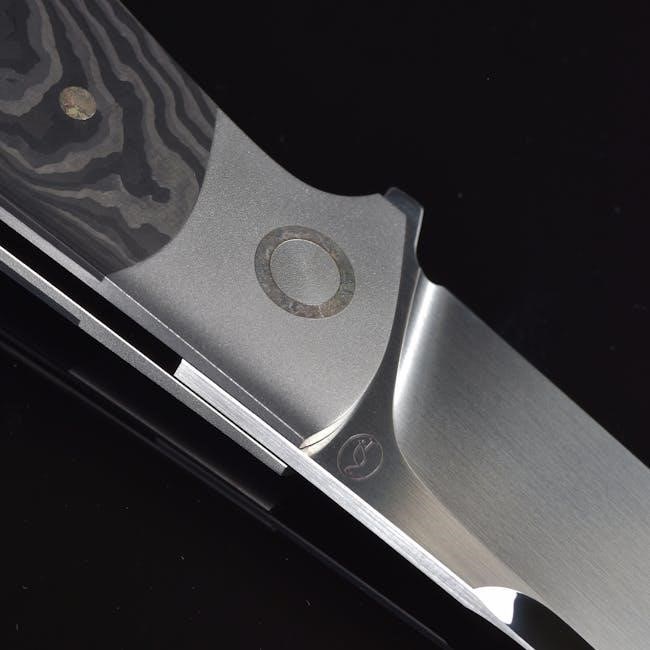
Maintaining Sharpness Between Sharpenings
Regular honing realigns the blade’s edge, delaying the need for full sharpening. Proper storage, like a block or magnetic strip, protects the edge from damage.
Regular Honing
Honing isn’t sharpening; it’s a crucial maintenance step. Using a honing steel realigns the microscopic teeth on the blade’s edge that bend over with use, restoring its cutting ability.
This process doesn’t remove metal, unlike sharpening, and should be done frequently – even before each use for professional chefs.
Hold the steel vertically and maintain a consistent 20-degree angle (a common, versatile angle) as you draw the knife across it, alternating sides. Light pressure is key; let the steel do the work.
Regular honing significantly extends the time between necessary sharpenings, preserving your knife’s edge and performance.
Proper Knife Storage
Protecting your knife’s edge during storage is paramount to maintaining its sharpness and the carefully established angle. Avoid tossing knives loosely into drawers, as this causes friction and dulling.
Ideal storage solutions include knife blocks, magnetic strips, or blade guards. Knife blocks cradle each blade individually, preventing contact.
Magnetic strips securely hold knives, keeping them visible and accessible, while blade guards offer portable protection.
Proper storage minimizes wear and tear, reducing the frequency of sharpening and extending the life of your valuable knives.

Resources for Further Learning
Expand your knowledge with online guides and workshops dedicated to knife sharpening techniques; Classes offer hands-on experience and personalized feedback.
These resources will refine your skills and help you master the art of maintaining optimal knife angles.
Online Sharpening Guides
Numerous websites offer comprehensive knife sharpening guides, catering to all skill levels. These resources often include detailed articles, instructional videos, and interactive charts illustrating optimal angles for various knife types.
Websites frequently cover freehand sharpening, jig usage, and stone selection, providing a wealth of information at your fingertips. Many guides detail specific angles for chef’s knives, paring knives, and even specialized blades like serrated or hunting knives.
Exploring these online resources is an excellent starting point for anyone seeking to improve their sharpening skills and achieve professional-level results.
Sharpening Workshops and Classes
Hands-on sharpening workshops and classes provide invaluable personalized instruction. Led by experienced professionals, these sessions offer direct feedback on your technique, ensuring proper angle maintenance and blade control.
Workshops typically cover various sharpening methods, including using stones, steels, and guided systems, allowing you to experiment and find what suits you best. They often focus on identifying correct angles for different knife types, from chef’s knives to pocket knives.
These classes accelerate learning and build confidence in your sharpening abilities.