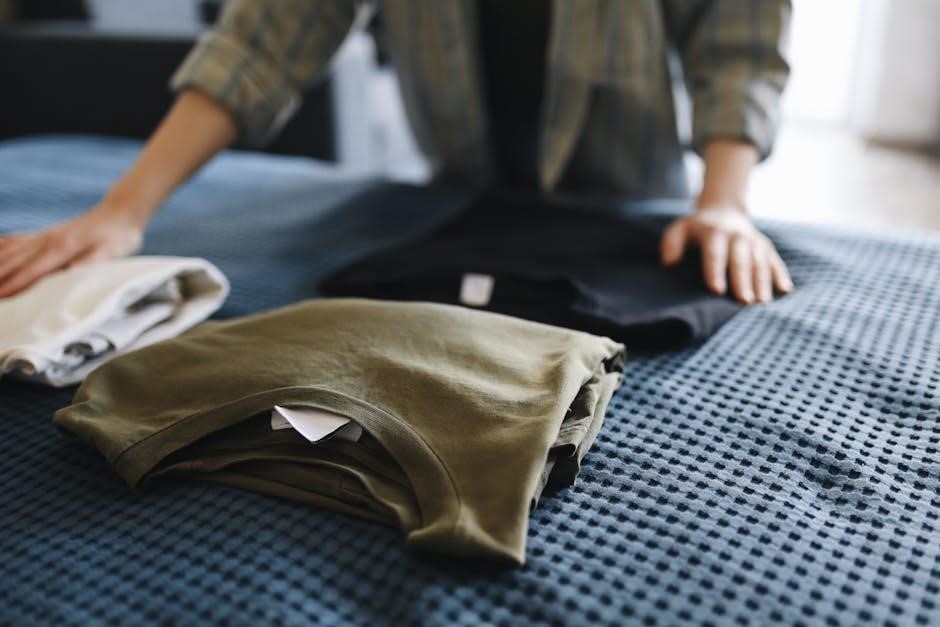
Maintaining the vibrancy and longevity of your heat transfer vinyl (HTV) t-shirts requires diligent care. Proper washing, drying, and ironing techniques
are crucial for preserving your designs. Following these guidelines ensures your personalized garments remain beautiful for years to come, avoiding common issues like peeling or fading.
Understanding the adhesive properties of HTV and how heat affects it is key to successful care. A little preventative maintenance goes a long way in protecting your investment!
What is Heat Transfer Vinyl (HTV)?
Heat Transfer Vinyl, commonly known as HTV, is a specialized vinyl material designed to adhere to fabrics using heat and pressure. Unlike traditional vinyl, HTV possesses an adhesive side that bonds with the textile fibers when activated by a heat press or iron.
It comes in a vast array of colors, finishes – including glitter, flock, and stretch – and even patterns, offering endless creative possibilities for customizing apparel. The adhesive is activated by heat, essentially melting into the fabric for a durable bond.
Understanding this process is fundamental to proper care, as excessive heat can re-activate the adhesive, potentially causing lifting or damage. HTV is a fantastic way to personalize clothing, but requires specific care instructions to ensure longevity.
Why Proper Care Matters
Proper care is paramount for preserving the quality and appearance of your vinyl t-shirts. Incorrect washing or drying techniques can lead to premature wear, peeling, cracking, or fading of the HTV design. The adhesive bond, while strong, is susceptible to damage from harsh chemicals, high temperatures, and abrasive actions.
Investing time in following recommended care instructions extends the life of your garment and maintains the vibrancy of the design. Ignoring these guidelines can result in costly replacements and disappointment;
Ultimately, diligent care demonstrates respect for the craftsmanship and ensures your personalized t-shirt remains a cherished item for years to come, avoiding common pitfalls and maximizing its lifespan.

Initial Curing Period
Allowing a 24-hour curing period after heat pressing is vital. This allows the adhesive on the HTV to fully bond with the fabric, ensuring durability.
The 24-Hour Rule
Resist the urge to immediately wash or wear your newly pressed vinyl t-shirt! The “24-hour rule” is a cornerstone of HTV care, and for good reason. This waiting period allows the adhesive on the heat transfer vinyl sufficient time to fully cure and establish a strong bond with the fabric fibers.
During the heat pressing process, the adhesive is activated. However, it needs time to cool and solidify, effectively melding with the material. Washing before this curing process is complete significantly increases the risk of the vinyl lifting, peeling, or experiencing other adhesion failures. Think of it as letting glue fully dry before applying any stress.
While some HTV formulations may seem secure immediately, adhering to the 24-hour rule provides the best possible outcome for long-lasting, vibrant designs. Patience truly pays off!
Allowing Adhesive to Set
Beyond simply waiting 24 hours, understanding how the adhesive sets is beneficial. Heat activates the adhesive, causing it to melt and bind with the fabric. As it cools, this bond strengthens, but it’s not instantaneous. The adhesive needs time to fully penetrate and grip the fibers.
Factors like the fabric type can influence setting time. Some materials offer a better grip than others. Higher quality HTV generally boasts stronger adhesives, but still benefits from adequate curing time. Avoid stretching or manipulating the design excessively during this period, as this can disrupt the bonding process.
Essentially, you’re allowing the adhesive to fully transition from a molten state to a solid, integrated layer within the fabric. This ensures a durable and long-lasting application, minimizing the chances of future peeling or cracking.

Washing Your Vinyl T-Shirt
Proper washing is vital for HTV longevity. Use cool or warm water, a gentle cycle, and mild detergent. Always turn the shirt inside out before washing to protect the design!
Water Temperature: Cold vs. Warm
Choosing the right water temperature is paramount when washing vinyl t-shirts. While cold water is generally considered the safest option, minimizing potential heat exposure to the vinyl, warm water can also be used cautiously. The key is to avoid hot water entirely.
Hot water can reactivate the adhesive in HTV, potentially causing it to lift, peel, or even distort the design. Cold water is gentler, preserving the bond between the vinyl and the fabric. However, some stains may require a slightly warmer temperature for effective removal.
If opting for warm water, ensure it’s not excessively hot – think lukewarm rather than steamy. Always prioritize a lower temperature to safeguard your HTV investment and maintain the vibrancy of your designs for the long term. Remember, gentle is best!
Gentle Cycle Recommendation
Selecting the appropriate washing machine cycle is crucial for preserving your vinyl t-shirt’s design. A gentle cycle is highly recommended, as it minimizes agitation and reduces stress on the vinyl application. This cycle uses slower spin speeds and a softer wash action, preventing unnecessary wear and tear.
Avoid using harsh or vigorous cycles like “permanent press” or “heavy duty,” as these can cause the vinyl to crack, peel, or lose its adhesion. The gentler the cycle, the better the chances of maintaining the integrity of your HTV design.
Consider using a mesh laundry bag for added protection, especially for shirts with intricate or delicate vinyl designs. This provides an extra layer of buffering against abrasion during the wash cycle, extending the life of your customized garment.
Turning the Shirt Inside Out
A simple yet incredibly effective step in preserving your vinyl t-shirt is to turn it inside out before washing. This seemingly small action provides a significant layer of protection for your heat transfer vinyl design. By inverting the garment, you minimize direct friction between the vinyl and the washing machine drum, as well as other clothing items.
This reduces the risk of peeling, cracking, or fading of the vinyl. The inside of the shirt experiences less abrasion during the wash cycle, safeguarding the adhesive bond.
Remember to turn the shirt right-side out immediately after washing to prevent any potential color transfer from other garments while drying. This practice significantly extends the lifespan of your customized apparel.
Mild Detergent Usage
Selecting the right detergent is paramount when washing vinyl t-shirts. Harsh chemicals and strong detergents can compromise the adhesive bond of the heat transfer vinyl, leading to premature peeling or cracking. Opt for a mild, color-safe detergent specifically designed for delicate fabrics.
Avoid detergents containing bleach, fabric softeners, or harsh enzymes, as these can break down the vinyl material. Using a smaller amount of detergent than typically recommended is also advisable. Excessive soap residue can build up and dull the vibrancy of the vinyl colors over time.
A gentle approach to cleaning ensures your designs remain bright and intact, preserving the quality of your personalized apparel for longer.
Avoiding Harsh Chemicals & Bleach
Protecting your vinyl t-shirt designs necessitates a strict avoidance of harsh chemicals, particularly bleach. Bleach is incredibly damaging to HTV, causing discoloration, weakening the adhesive, and ultimately leading to peeling and cracking of the vinyl. Even indirect contact with bleach can have detrimental effects.
This extends beyond laundry bleach to include stain removers containing strong oxidizing agents. When treating stains, focus on the fabric around the vinyl, carefully avoiding direct application to the design. Similarly, avoid using harsh solvents or industrial cleaners on or near the garment.
Gentle is key – mild detergents are your friend! Preserving the integrity of your HTV requires a commitment to chemical-free or very mild cleaning practices.
Drying Your Vinyl T-Shirt
To best preserve your vinyl designs, opt for low heat tumble drying or, ideally, air drying. Avoid direct sunlight, as it can cause fading!
Low Heat Tumble Drying
When utilizing a tumble dryer, always select the lowest heat setting available. Higher temperatures can potentially cause the vinyl adhesive to reactivate and potentially lift or distort the design. While convenient, even low heat can contribute to gradual wear over time, so consider it a secondary option to air drying.
It’s also beneficial to dry the garment inside out, offering an extra layer of protection to the vinyl. Check the garment frequently during the drying cycle to prevent over-drying, which can also stress the vinyl bond. Remember, a slightly longer drying time on a lower setting is preferable to a quick dry with excessive heat. This method balances convenience with preservation.
Air Drying as a Preferred Method
For optimal vinyl longevity, air drying is consistently recommended as the superior method. By avoiding the heat altogether, you eliminate the risk of reactivating the adhesive or causing any thermal stress to the vinyl design. Simply reshape the garment after washing and lay it flat on a clean, dry surface, or hang it on a plastic hanger.
Avoid direct sunlight during the drying process, as prolonged UV exposure can contribute to fading of the vinyl colors. A well-ventilated, shaded area is ideal. While air drying requires more time, it’s the gentlest approach, significantly extending the life and vibrancy of your heat transfer vinyl creations.
Avoiding Direct Sunlight During Drying
Prolonged exposure to direct sunlight can significantly diminish the vibrancy of your vinyl t-shirt designs. The ultraviolet (UV) rays break down the pigments within the HTV, leading to noticeable fading over time. Even high-quality vinyl is susceptible to this effect, so preventative measures are essential.
When air drying, always choose a shaded location, away from windows or outdoor elements; If using a drying rack, position it indoors or under a covered patio. This simple step protects the colors and ensures your designs remain bright and eye-catching for a longer period. Prioritizing shade preserves the visual appeal of your personalized garments.

Ironing Your Vinyl T-Shirt
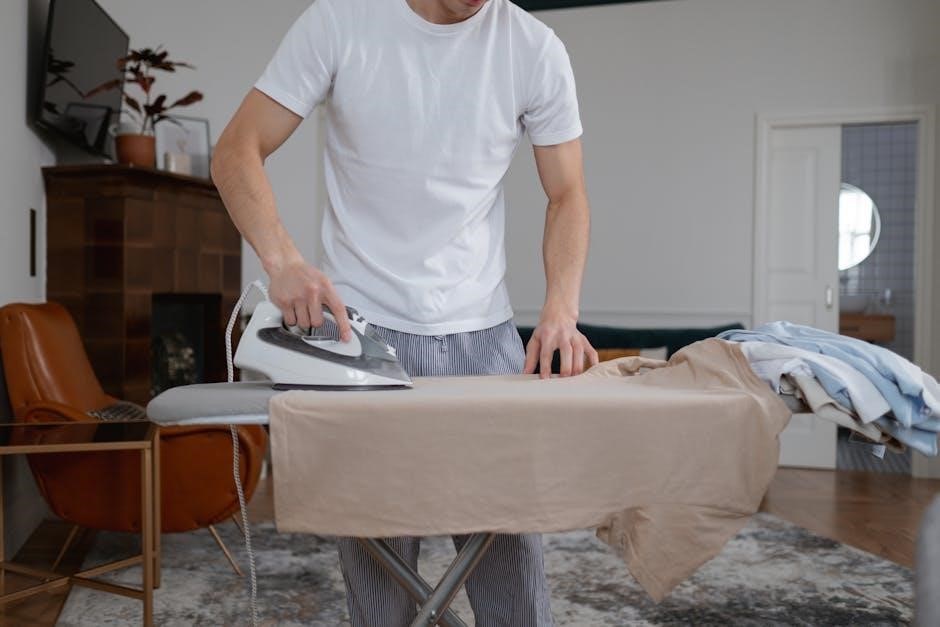
To prevent damage, never iron directly onto the vinyl design. Always use a protective layer, like parchment paper, and iron inside out on a low setting.
Never Iron Directly on the Vinyl
Direct heat application from an iron can irrevocably damage your heat transfer vinyl (HTV) design. The adhesive, while durable, can re-melt and potentially distort or even fuse to the iron itself; This results in a warped, sticky mess and a ruined garment.
The high temperatures can also cause the vinyl to bubble, peel, or lose its vibrant color. It’s a common mistake, but easily avoided! Always remember that HTV is a plastic-based material, and excessive heat is its enemy. Protecting your investment is simple with a little caution.
Think of it like this: you wouldn’t put plastic in the oven, would you? The same principle applies here. Prioritize preservation by avoiding direct contact with the iron’s hot surface.
Using a Protective Layer
When ironing a vinyl t-shirt, a protective layer is absolutely essential. This barrier prevents direct heat contact with the HTV, safeguarding its integrity. A simple piece of parchment paper or a thin cotton cloth, like a pressing cloth, works wonderfully. Place this layer directly over the vinyl design before applying the iron.
This method distributes the heat more evenly, minimizing the risk of melting or distorting the vinyl. It also prevents the iron from sticking to the design’s surface, ensuring a smooth and professional finish.
Essentially, you’re creating a buffer zone. This simple step dramatically extends the life of your vinyl creations and maintains their beautiful appearance through repeated ironing.
Ironing Inside Out
To best preserve your vinyl t-shirt designs, always iron the garment inside out; This crucial step shields the HTV directly from the iron’s heat, preventing potential melting, bubbling, or peeling. Direct heat exposure is a primary cause of vinyl damage, so minimizing it is paramount.
Ironing from the inside also protects any embellishments or surrounding fabric from unwanted shine or distortion. Ensure the ironing board is clean and free of debris to avoid transferring anything onto your design.
Combined with a protective layer (like parchment paper), ironing inside out offers the ultimate safeguard for your personalized creations, ensuring they remain vibrant and intact for years to come.
Specific Vinyl Types & Care
Different HTV varieties—glitter, stretch, and flock—require tailored care. Glitter HTV is more durable, while stretch needs gentle handling, and flock demands extra caution during washing.
Glitter HTV Care
Glitter heat transfer vinyl is known for its dazzling appearance and generally robust nature, making it a popular choice for many crafters. However, even glitter HTV benefits from careful handling to maintain its sparkle and adhesion. When washing garments adorned with glitter vinyl, always turn the shirt inside out.
Use a cold water cycle with a mild detergent, avoiding any harsh chemicals or bleach. Tumble drying on low heat is acceptable, but air drying is always the preferred method to prevent potential damage. Avoid ironing directly over the glitter; instead, use a protective layer like parchment paper or a Teflon sheet if ironing is necessary.
Because of the textured surface, glitter HTV is often more resilient than smooth vinyl, but consistent gentle care will ensure its longevity and continued brilliance. Following these guidelines will help keep your glitter designs shining!
Stretch HTV Care
Stretch heat transfer vinyl is specifically designed for garments with a high degree of flexibility, like activewear or fitted shirts. Its elasticity allows it to move with the fabric without cracking or peeling. However, maintaining this flexibility requires specific care practices. Always turn the garment inside out before washing.
Use a cold water cycle and a mild detergent. Avoid bleach and fabric softeners, as these can break down the adhesive. Tumble drying on low heat is generally safe, but air drying is recommended to preserve the vinyl’s stretchiness. When ironing, always use a protective layer and iron on a low setting, avoiding direct contact with the vinyl.
Proper care ensures the stretch HTV continues to conform to the fabric’s movements, maintaining a professional and durable finish. Gentle handling is key to maximizing its lifespan!
Flock HTV Care
Flock heat transfer vinyl possesses a unique, velvety texture that adds a distinctive touch to garments. However, its raised surface requires a slightly different care approach than smoother HTV types. To protect the flock finish, always turn the shirt inside out before laundering.
Gentle washing in cold water with a mild detergent is crucial. Avoid harsh chemicals, bleach, and fabric softeners, as these can damage the flock fibers. Tumble drying on low heat is acceptable, but air drying is highly recommended to prevent shrinkage and maintain the soft texture.
When ironing, never apply direct heat to the flock vinyl – it can melt or distort the fibers. Always use a protective pressing cloth and iron on a low setting. Careful handling will ensure your flock designs remain vibrant and plush for a long time!

Troubleshooting Common Issues
Addressing vinyl peeling, fading, or cracking requires understanding the cause. Often, improper washing or ironing is to blame, but HTV type also matters!
Vinyl Peeling After Washing
Experiencing vinyl peeling after washing is a common frustration, but often preventable. The primary culprit is insufficient curing time; allowing at least 24 hours post-heat press is essential for the adhesive to fully bond with the fabric.
Incorrect washing temperatures also contribute significantly. Hot water can weaken the adhesive, leading to lifting, especially with lower-quality HTV. Always opt for cold or, at most, warm water. Harsh detergents and bleach are also detrimental, breaking down the vinyl’s bond.
Furthermore, ensure the vinyl is properly adhered before washing. If peeling occurs even after following these steps, the HTV might be incompatible with the fabric type, or the heat press settings were incorrect. Consider re-pressing with adjusted settings or using a different vinyl.
Fading of Vinyl Colors
Color fading in HTV designs is often linked to prolonged exposure to harsh elements, particularly sunlight and strong detergents. UV rays can break down the pigments in the vinyl, causing them to lose their vibrancy over time. To mitigate this, avoid drying your t-shirts in direct sunlight; air drying indoors is preferable.
When washing, always use mild detergents and avoid bleach or any products containing harsh chemicals. These can strip the color from the vinyl. Turning the shirt inside out during washing also helps protect the design from abrasion and direct detergent contact.
The quality of the HTV itself plays a role; higher-quality vinyls are generally more fade-resistant. Consider using premium brands for long-lasting color retention.
Cracking of Vinyl Design
Cracking in your HTV design typically indicates the vinyl isn’t adhering properly to the fabric or that the material is being stressed beyond its flexibility. This can occur if the vinyl wasn’t adequately heat-pressed, or if the fabric is stretched excessively during wear or washing.
Ensure you’re using the correct temperature and pressure settings recommended by the HTV manufacturer during application. Avoid over-stretching the t-shirt while wearing it, especially designs covering areas prone to movement.
Using a stretch HTV is recommended for garments with a high degree of elasticity. Gentle washing cycles and avoiding harsh chemicals will also help prevent cracking by preserving the vinyl’s integrity.

Providing Care Instructions to Customers
Supplying clear, concise care instructions with each purchase protects your work and ensures customer satisfaction. Printable cards detailing washing and drying guidelines are ideal!
Creating Care Instruction Cards
Designing effective care instruction cards is a simple way to elevate your brand and protect your creations. These cards should clearly outline the best practices for washing, drying, and ironing garments with heat transfer vinyl.
Include key points like washing inside out in cold water, using a gentle cycle, and avoiding bleach or harsh chemicals. Emphasize the importance of tumble drying on low heat or air drying.
A visually appealing design with easy-to-read fonts enhances the customer experience. Consider adding a small logo or branding element. Free printable templates are readily available online, offering a convenient starting point. Providing this information demonstrates professionalism and a commitment to quality, fostering customer loyalty and reducing potential complaints.
Including Care Information with Purchase
Beyond care cards, integrate washing instructions directly into the customer’s purchase experience. Add a brief, printed note to the packaging reiterating key care points – wash cold, tumble dry low, and avoid ironing directly on the vinyl.
Consider including a QR code linking to a more detailed online guide or a video tutorial. This provides convenient access to comprehensive information.
Digital invoices or thank-you emails are also excellent opportunities to share care instructions. Proactive communication minimizes potential issues and demonstrates your dedication to customer satisfaction. Clearly stating these guidelines upfront sets expectations and helps ensure the longevity of the personalized garment, building trust and encouraging repeat business.

Long-Term Vinyl T-Shirt Preservation
To maximize lifespan, store shirts folded, not hung. Minimize frequent washing and wear, and always adhere to gentle care instructions for lasting vibrancy!
Proper Storage Techniques
Effective storage significantly impacts the longevity of your vinyl t-shirts. Avoid hanging them for extended periods, as this can stretch the fabric and potentially distort the vinyl design over time. Instead, opt for folding your shirts neatly.
When folding, consider placing a sheet of tissue paper or parchment paper between the design and the fold to prevent any potential cracking or sticking. Store your folded shirts in a cool, dry place away from direct sunlight, which can cause fading.
Avoid storing them in plastic bags, as they can trap moisture. Breathable cotton garment bags are an excellent alternative. Proper storage minimizes wear and tear, ensuring your cherished designs remain vibrant for years to come.
Minimizing Wear and Tear
To prolong the life of your vinyl t-shirts, reduce abrasive activities. Avoid frequent washing, only laundering when necessary, and always follow the care instructions diligently. Limit exposure to rough surfaces that could snag or peel the vinyl.
When wearing, be mindful of friction from backpacks or seatbelts, as constant rubbing can degrade the design. Consider rotating your vinyl t-shirts with other garments to distribute wear evenly.
Promptly address any loose threads or minor peeling to prevent further damage. Gentle handling and preventative measures are key to minimizing wear and tear, ensuring your personalized shirts remain vibrant and enjoyable for a long time.

Resources for Further Information
Explore HTV manufacturer websites like Craftables and Happy Crafters Canada for detailed care guides. Online crafting communities offer valuable tips and troubleshooting advice!
HTV Manufacturer Websites
Directly from the source, HTV manufacturers provide the most accurate and specific care instructions for their products. Websites like Craftables (shopcraftables) offer detailed guides tailored to each vinyl type – glitter, flock, stretch, and more. These resources often include downloadable care sheets perfect for including with customer orders.
Happy Crafters Canada (happycrafterscanada.com) also provides comprehensive washing and drying guidelines, emphasizing the importance of the initial 24-hour curing period. Primepick (primepick.com) offers advice on avoiding high heat and harsh chemicals. Consulting these websites ensures you’re following best practices to maximize the lifespan and appearance of your HTV projects, preventing issues like peeling or fading.
Online Crafting Communities
Engaging with online crafting communities offers a wealth of practical advice and shared experiences regarding vinyl t-shirt care. Platforms like Facebook groups dedicated to HTV and Cricut projects are brimming with tips from fellow crafters. These forums often discuss real-world results with different vinyl brands and washing techniques.
You’ll find discussions on troubleshooting common issues like peeling after washing, and recommendations for detergents that won’t damage the vinyl. Many crafters share their own printable care instruction cards, offering inspiration for your customer handouts. These communities provide a supportive environment to learn and refine your HTV care practices, ensuring long-lasting, vibrant designs.